|
|
|
|
|
|
Submitted by Kataner on Wed, 2026-09-23 20:25
|
Description
Period: starts Chōkyō (1487-1489)
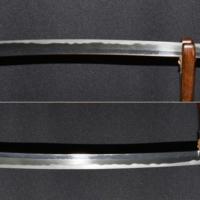
Nagasa: 69.3cm
Sori: 2cm
Tsukurikomi: shinogi-zukuri
Mei: 濃州関兼房 (nōshū seki kanefusa)
Paper: JTK braunes Papier (Muromachi)
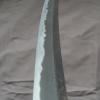
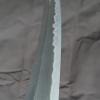
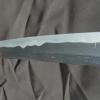
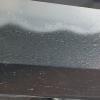
Noshu Seki Kanefusa (Muromachi): The Kanefusa school originated during the Kōsho era (1455–1457) and was an important school that served as a leader for the other Seki schools. The JTK origami dates the sword to the Muromachi period. Five smiths named Kanefusa are recorded during the Muromachi period; the distinctive Kenbō Midare (irregular Kenbou pattern) is said to have been created by the second generation (active from 1487). Distinguishing between these five smiths is extremely difficult, as they all worked in a very similar style and to a comparable level of quality. Their swords are renowned for legendary cutting ability. One of their swords is the only surviving example known to have cut through seven bodies during a test cut (Maximum number). The sword presented here features an exemplary Kenbō Midare pattern.
Regarding the JTK paper: The organization's name is Juho-Token-Kenkyukai (銃砲刀剣研究会). After the NBTHK’s regional branches faced severe restrictions regarding their independent operations and appraisal activities, independent study and appraisal groups formed in several regions to meet the renewed interest in nihontō. The JTK group emerged in the Kyoto area and issues its own origami. During their shinsa, "blue papers" are issued monthly for authentic art swords, while a "brown paper" is awarded once a year for particularly exquisite swords. Currently, the appraisal sessions are led by Masayuki Tsujimoto (辻本真幸), the deputy head of the NBTHK branche in Kyoto. He also signed the origami for the nihontō presented here.
|
|
|
|
|
|
|