|
|
|
|
|
|
Submitted by Kataner on Thu, 2026-09-24 00:55
|
Description
Period: starts Shoō (1288-1293)
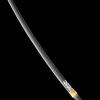
Nagasa: 70.6cm
Sori: 2cm
Tsukurikomi: shinogi-zukuri
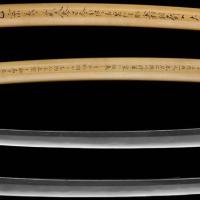
Mei: 正宗 (Masamune) / 本阿 (花押 光遜) (Hon`a (Kao Koson)); both kinpun mei (Goldpowder)
Sayagaki: Honami Koson: 大徳川家伝来 (passed down in the main Tokugawa family)
Sayagaki: Fukunaga Suiken: 本刀は徳川将軍家に伝来 (the sword was passed down within the Tokugawa shogunal family)
Paper: Honami Koson: 名物・仁王正宗 (Specialty Niō Masamune), 大徳川家伝来 (passed down within the main Tokugawa Shogun family), 表裏仁王彫 (Carving of Niō figures on the front and back)
Paper: Fukunaga Suiken: 伝来 徳川将軍家 (Tradition: Tokugawa-Shogun-Familie), 名物 仁王正宗 (Specialty Niō Masamune), 時代 嘉暦頃 (around Karyaku [1326-1329]
Paper: Toensha: 最上作認定書 (top-tier certificate of authenticity), 村上孝介 (Murakami Kosuke)
Gorō Nyūdō Masamune (Kamakura): As is well known, following the Mongol invasions of 1274 and 1281 and the alarming failure of tachi swords to penetrate Mongol body armor, various swordsmiths were summoned to Sagami to produce more robust swords. In doing so, Masamune and the other smiths sought to improve forging techniques and blade construction. It was in this context that the Soshu tradition was established.
Sword History: Fukunaga writes: The sword was handed down within the Tokugawa shogunal family and subsequently presented to a military family.
Carving of Niō guardian deities: Niō guardian deities often stand on the right and left sides of temple entrances.
|
|
|
|
|
|
|